Germany has a strong reputation for engineering, durability, and consistent manufacturing. Many German backpack brands are trusted by hikers, travelers, and professionals who need reliable load-carrying gear.
This article introduces 10 Deutsche Rucksackmarken that are commonly associated with outdoor, tactical, or rugged everyday use. It is written for anyone researching the market—especially brands, wholesalers, and importers who want to understand what “good backpacks” look like in practice.
Editorial note: The brands and trademarks mentioned in this article belong to their respective owners. We reference them for market education and product research.
Quick Comparison: German Backpack Brands at a Glance
| Marke | Primary use | Known for | Notes for buyers |
| Tatonka | Trekking / travel | Durable packs, repair services | Strong “value + durability” positioning |
| Deuter | Hiking/trekking | Ventilation and carry systems | Long brand history; broad product range |
| Ortovox | Alpine/mountaineering | Ski touring + climbing focus | Strong modular, technical positioning |
| Tasmanischer Tiger | Tactical/duty | MOLLE-compatible systems | Clear tactical DNA and materials language |
| Vaude | Hiking/cycling | Sustainability + “Made in Germany” content | Messaging is a core differentiator |
| Ortlieb | Waterproof travel/cycling | Welded seams, roll-top designs | Waterproof construction storytelling |
| Jack Wolfskin | Outdoor everyday | Accessible outdoor gear | Focus on broad consumer use |
| Schöffel | Outdoor apparel + packs | Ergonomic outdoor designs | Backpack range is smaller than apparel |
| DRAKENSBERG | Lifestyle/heritage | Leather + classic aesthetics | “Story + materials” positioning |
| Zentauron | Professional/tactical | MOLLE/PALS-compatible | Modular layouts, durability-focused construction |
10 deutsche Rucksackmarken
1. Tatonka
Tatonka is a German outdoor brand founded in 1980 and associated with trekking, travel, and robust backpack construction. Many of their packs are designed for heavy loads and long trips.
What to look at:
- Load-focused design (back length adjustment, stable hip belts)
- Durable shell fabrics and reinforcements
- Repair-oriented brand messaging (useful for “long service life” positioning)
Official site: https://www.tatonka.com/
B2B note: If your target customers care about longevity, study how Tatonka communicates repairs, durability, and load comfort.
2. Deuter
Deuter is widely recognized for hiking and trekking packs and is known for carry comfort and back ventilation systems.
What to look at:
- Back panel ventilation concepts and how they explain comfort
- Range segmentation (day hike vs multi-day vs expedition)
- Consistent naming and series strategy (useful for building a clear product line)
Official site: https://www.deuter.com/
B2B note: Even if you do not copy any specific design, Deuter’s product-line structure is a good reference for brands planning a complete backpack range.
3. Ortovox
Ortovox is known for alpine and mountaineering products, including packs designed for ski touring and climbing scenarios.
What to look at:
- Modular attachment points for tools and gear
- Technical feature descriptions (what the feature solves, not just what it is)
- Materials and sustainability messaging (depending on region)
Official site: https://www.ortovox.com/us-en
B2B note: If you sell to alpine or technical outdoor users, Ortovox is a good example of how to describe purpose-driven features clearly.
4. Tasmanischer Tiger
Tasmanian Tiger (TT) is closely associated with tactical backpacks and duty-ready design language. Many TT packs highlight modularity and rugged materials.
What to look at:
- MOLLE-compatible organization (common in tactical packs)
- Practical pocket layout (admin pockets, hydration compatibility)
- Tactical color/camouflage options and how they present them
Official site: https://www.tasmaniantiger.info/en/
B2B note: If your business targets tactical or professional users, TT is a useful reference for how tactical packs communicate materials, modularity, and mission use.
Want to develop a tactical backpack inspired by this market research?
Share your reference photos and target specs—our team can propose a practical materials plan and sampling timeline.  Tactical bags &packs (wholesale/custom)
5. Vaude
Vaude is often cited for eco-focused outdoor products and has public-facing content about responsibility, materials, and manufacturing.
What to look at:
- Sustainability and compliance messaging
- How they connect “made here” + “quality” + “responsibility”
- Product category segmentation (cycling, hiking, travel)
Official site: https://www.vaude.com/
“Made in Germany” content (VAUDE Stories)
B2B note: If your buyers require ESG-related documentation, Vaude is a strong example of how brands build trust with transparent content.
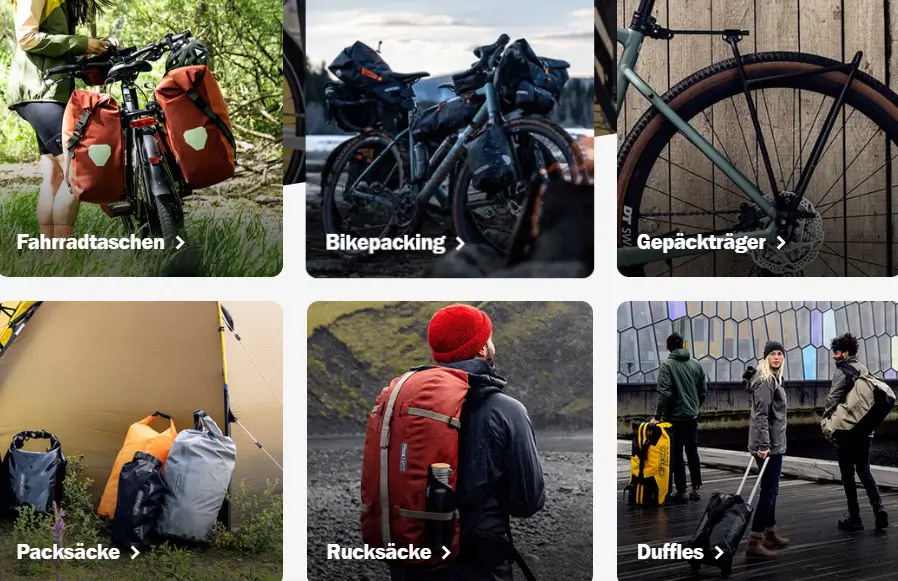
6. Ortlieb
Ortlieb is known for waterproof bags and has built a strong identity around durability, repair, and “Made in Germany” messaging.
What to look at:
- Waterproof construction communication (welded seams, roll-top closures)
- How they build trust around durability and long-term use
Official site: https://de.ortlieb.com/en
B2B note: Waterproof design is not only about coating. If you plan waterproof backpacks, pay attention to the construction method you choose and the warranties/claims you can support.
7. Jack Wolfskin
Jack Wolfskin is a widely known outdoor brand with backpacks designed for hiking, daily carry, and travel-style outdoor use.
What to look at:
- Practical everyday outdoor features (hydration compatibility, lightweight frames)
- Broad-market positioning (how they keep features simple and understandable)
Official site: https://www.jack-wolfskin.com/
B2B note: If you sell into retail channels where customers want “outdoor style” more than extreme specs, Jack Wolfskin’s approach can be useful.
8. Schöffel
Schöffel is a long-established German outdoor brand best known for technical clothing. While backpacks are not its main product category, the brand’s focus on fit, comfort, and outdoor function still makes it relevant when readers compare German outdoor gear brands.
What to look at:
- Ergonomic language and comfort-first messaging
- Product photography style and feature presentation
Official site: https://www.schoeffel.com/de/de/
B2B note: If your brand sells both apparel and gear, Schöffel may be a reference for cross-category brand consistency.
9. DRAKENSBERG
DRAKENSBERG is known for classic, heritage-inspired backpacks with a focus on materials like leather and traditional styling.
What to look at:
- How design story and material story become the product value
- Hardware and finishing quality presentation
Official site: https://www.drakensberg.de/
B2B note: If you are building a lifestyle line (not purely tactical), the “story + materials” approach can help differentiate in crowded categories.
10. Zentauron
Zentauron is a Germany-based tactical gear maker that produces equipment for professional and duty-oriented users. Alongside plate carriers and pouches, the company offers MOLLE/PALS-compatible backpacks designed for operational use, outdoor activity, and everyday carry.
For readers researching tactical backpack design, Zentauron is a useful reference for modular layouts, durability-focused construction, and how tactical brands communicate materials and manufacturing processes.
Official site: https://www.zentauron.de/en/
Warum deutsche Rucksackmarken wählen?
German backpack brands are often associated with:
- Durable design for long-term use
- Comfort-focused carry systems for load transfer and ventilation
- Specialized product lines (trekking vs alpine vs tactical vs waterproof)
- Clear brand messaging around quality, responsibility, and intended use
However, “German brand” does not automatically mean a product is made entirely in Germany. For sourcing and compliance decisions, always verify manufacturing location, materials, and documentation directly.
What German Backpack Brands Can Teach You About Building a Competitive Backpack Line
If you are developing backpacks for your own brand (tactical, outdoor, or work packs), this list is useful because it shows what the market expects at different price points.
1) Durability is mostly construction details
In many backpacks, the failure points are predictable:
- Handle bases and shoulder strap roots
- MOLLE panels/attachment zones
- Zipper ends and corners
- Hip belt stitching and buckle zones
When you develop a custom backpack, ask your supplier to propose reinforcement methods such as bartacks and box-X stitching, and to show how they test high-stress areas.
2) Comfort is a system, not a single feature
Brands like Deuter emphasize carry systems and ventilation because comfort becomes a reason to buy.
If you are building a backpack line, define:
- Load range (light daypack vs heavy trekking)
- Back length sizes or adjustment range
- Padding feel (soft vs firm) and ventilation strategy
3) Waterproof claims must match the construction
Ortlieb’s positioning is a reminder: waterproof branding requires construction you can consistently repeat.
Options include:
- Coated fabrics + seam sealing (varies by design)
- Welded seam constructions (requires specific production methods)
Make sure your marketing claim matches what your production line can support.
4) Tactical modularity should be consistent
If you produce tactical packs, modular compatibility matters. Keep webbing spacing, stitching consistency, and panel alignment under control across batches.
If You’re Building Your Own Brand: How to Choose a Backpack Manufacturer
If your goal is not to buy these brands, but to build your own product line, the key is choosing a supplier who can manufacture reliably and scale.
What to prepare before contacting a manufacturer
To get an accurate quote, prepare:
- Reference images or a competing sample
- Target market and use case (tactical, hiking, travel, work)
- Capacity and key dimensions
- Target material level (example: nylon fabrics, webbing types, hardware level)
- Brand requirements (logo position, labels, packaging)
- Estimated order quantity and preferred delivery timeline
Building a backpack line for wholesale, distribution, or professional use? Tell us your target capacity, materials, key features, and order quantity. We’ll reply with a practical quote and timeline.
Schlussfolgerung
These 10 German backpack brands show a wide range of positioning—from trekking comfort and alpine specialization to tactical modularity and waterproof construction.
If you are researching brands for inspiration, use the list as a market map. If you are sourcing for your own brand, focus on manufacturing capability, materials, construction details, and quality control—then convert those insights into a clear spec and sampling plan.








 Zum Inhalt springen