Developing a custom tactical backpack involves balancing practical use for the end user with designs that can actually be built efficiently. For brands, agencies, or organizations, this process goes well beyond initial ideas on paper. It includes detailed choices about materials, pattern creation, and production schedules. Working with an experienced tactical backpack manufacturer right from the start helps turn those ideas into a dependable, affordable product that reaches the market successfully.
This guide covers the main areas of specifications and the steps in the manufacturing process. It offers a clear structure for brands looking to create their own line of benutzerdefinierte taktische Rucksäcke.
The Business Case for Custom Tactical Backpack Production
Choosing custom manufacturing over buying off-the-shelf items brings clear benefits. It allows for real differences in the product and better management of the supply chain.
- Brand Identity and Market Positioning: A custom tactical backpack serves as a key part of a brand’s image. Features like specific colors, unique elements, and built-in logos help the product stand out among many similar options. This can build stronger connections with customers over time.
- Optimized Performance for Target Users: Designs tailored to groups such as law enforcement teams, outdoor enthusiasts, or security personnel can match their exact equipment and daily routines. This focus improves how well the backpack works and how users view its quality.
- Supply Chain and Inventory Control: Creating a product to your own standards gives you more say over details like quality and timing. This reduces reliance on a general supplier’s available items and delivery dates.
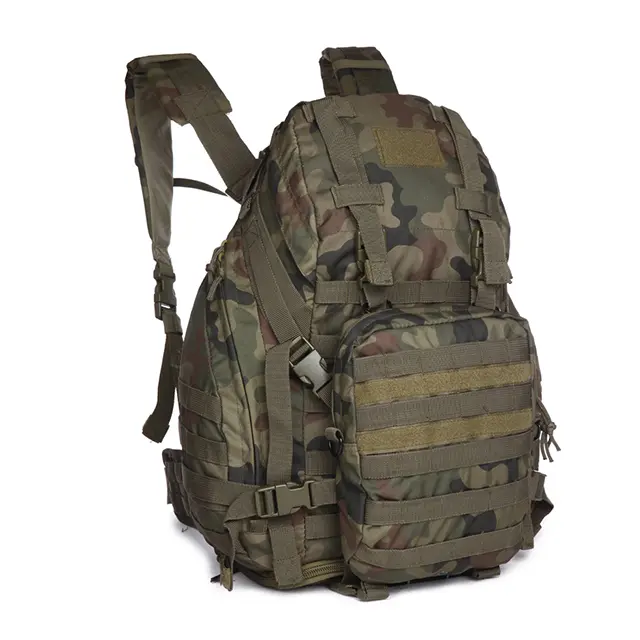 large capacity camo military tactical backpack
 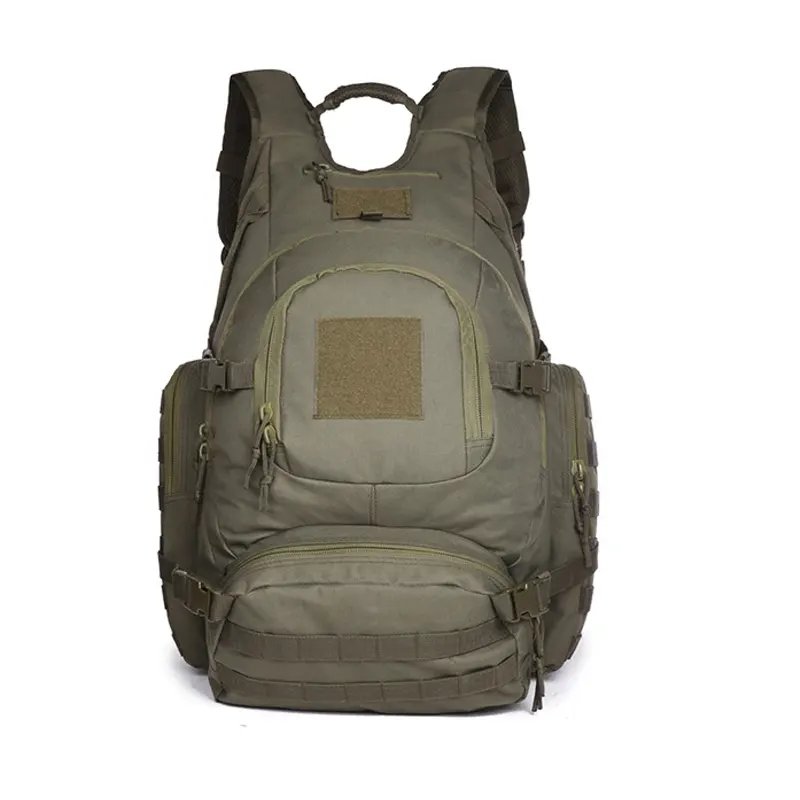 Urban Go Pack Outdoor Rucksack Molle Tactical Backpack
 Building Your Tactical Backpack: Key Specification Categories for Development
Detailed planning is essential for a successful project. As your manufacturing partner, we guide you through decisions in these main areas.
1. Material and Component Specification
These decisions set the base for how long the backpack lasts, how much it weighs, and what it costs to make.
- Fabric Selection: Selecting between strong nylons, such as 500D or 1000D Cordura, for tough protection against wear, or lighter polyesters for easier carrying and better resistance to sun damage, is an important step. Samples and data sheets can help make this choice based on real needs. Learn more about fabric standards at Textilbörse.
- Weatherproofing Strategy: Choices include coatings like DWR (Durable Water Repellent) for basic rain resistance, or more thorough methods like sealed seams and waterproof layers such as X-Pac fabric for full protection. Each option affects how the backpack performs and how complex it is to build.
- Hardware Sourcing: Reliable parts come from trusted makers. For example, zippers from YKK and buckles from ITW Nexus ensure the strength needed for heavy use, along with durable webbing.
2. Compartment and Organizational Layout
How the inside is organized affects how easy the backpack is to use every day. A partner can turn a list of needed items into a practical three-dimensional setup.
- Access and Hierarchy: Decisions about entry points, such as full-opening clamshell styles versus simpler top-loading, guide the overall design. This includes placing quick-grab pockets on the outside or under the lid for essentials, while keeping larger storage in the central area.
- Integrated Specialized Storage: Built-in features can handle specific items, like cushioned sections for laptops that stay in place, areas for water bladders with easy hose access, or panels with loops for holding small tools, electronics, or even modular pouches.
- External Modularity (MOLLE/PALS): For systems that allow attachments, webbing follows the standard one-inch spacing. This ensures pouches or other add-ons from aftermarket sources fit securely without shifting
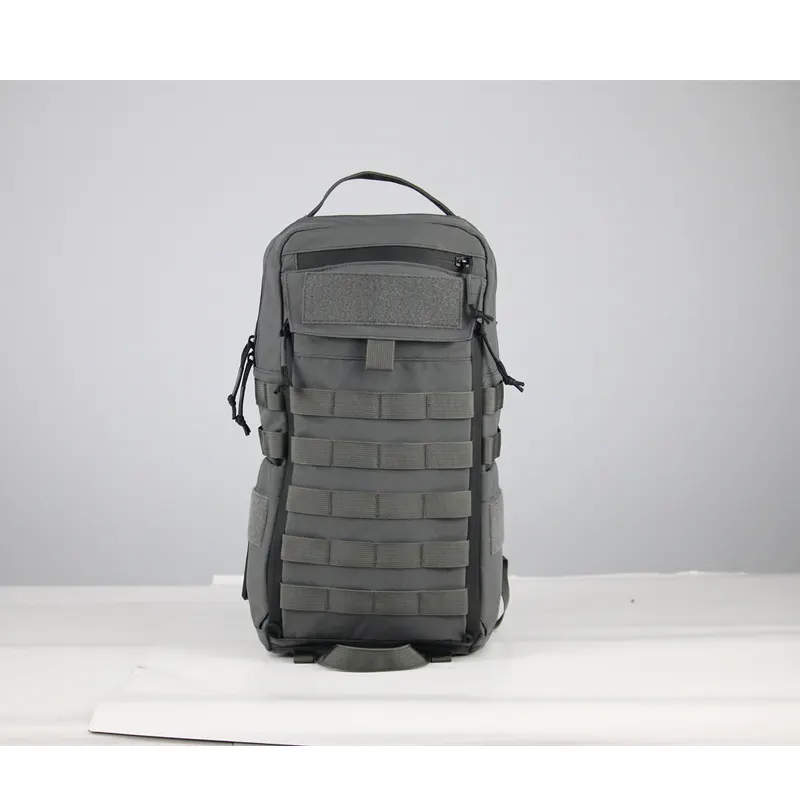 EDC Tactical Pendlerrucksack
 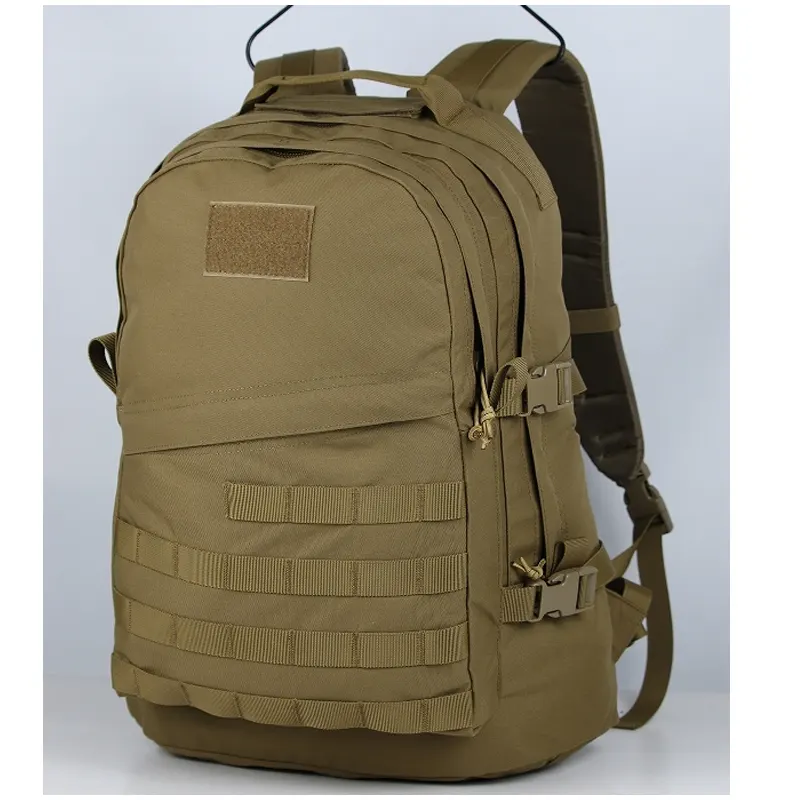 Kojotenbrauner taktischer Outdoor-Rucksack
 3. Ergonomic and Load-Bearing System Design
How the backpack feels when carrying weight makes it more appealing to users. Expertise in shaping and putting it together plays a big role here.
- Harness and Suspension Engineering: Shoulder straps are shaped to fit comfortably, often with breathable panels made from layers of foam in different densities. For backpacks meant to hold over 30 pounds, a sturdy hip belt shifts the load to the hips from the shoulders, which helps with comfort during long periods of use.
- Structural Integrity: Adding supports like plastic (HDPE) or metal (aluminum) sheets inside keeps the shape stable. This prevents sagging and helps the backpack carry evenly, no matter the load.
The Collaborative Manufacturing Process: From Concept to Delivery
A step-by-step approach with clear communication helps keep risks low and keeps everyone on the same page between the brand and the factory.
- Design Consultation & Tech Pack Development: Initial ideas get refined into a full technical package. This includes drawings, lists of materials, and notes on how to build it, making sure everything can be produced smoothly.
- Prototyping und Probenahme: Early physical versions, starting with a basic prototype and moving to a near-final pre-production sample, let teams test how it fits, works, and holds up. Feedback at this point allows for adjustments to get the design just right.
- Production Planning and Sourcing: Once the sample is approved, materials and parts are ordered in bulk. The production setup is planned based on the order size.
- Mass Production & Quality Assurance: The full run happens with checks along the way. A final inspection on randomly finished items compares them to the approved sample to confirm they all match.
- Logistics and Fulfillment: Completed backpacks are packed and shipped as agreed, using terms like Incoterms, either straight to a warehouse or set up for direct delivery to customers.
Eine detaillierte Aufschlüsselung des Zeitplans finden Sie in unserem Leitfaden: Von der Bestellung bis zur Lieferung: Ein Überblick über die Herstellung taktischer Rucksäcke nach Maß. This article provides a realistic timeframe for each stage and explains the factors that can influence the overall schedule, such as order complexity and quantity.
 tactical gear company factory
  skilled workers (2)
 Partnerschaft mit einem erfahrenen Hersteller taktischer Rucksäcke
The path to designing and making a custom tactical backpack involves many details, from ideas to finished goods. Partnering with a manufacturer who knows both the creative side and the practical production side makes this easier.
Since 2009, with over 15 years in producing tactical, military, and outdoor gear—including bags, vests, modular pouches, soft gun cases, belts, and more—we bring focused knowledge to these projects. This helps handle choices in materials, design issues, and quality checks, so the end result matches the original plan and works well for users.
Ready to develop your custom tactical backpack line? Kontakt to schedule a manufacturing consultation and discuss your project specifications.

 Zum Inhalt springen